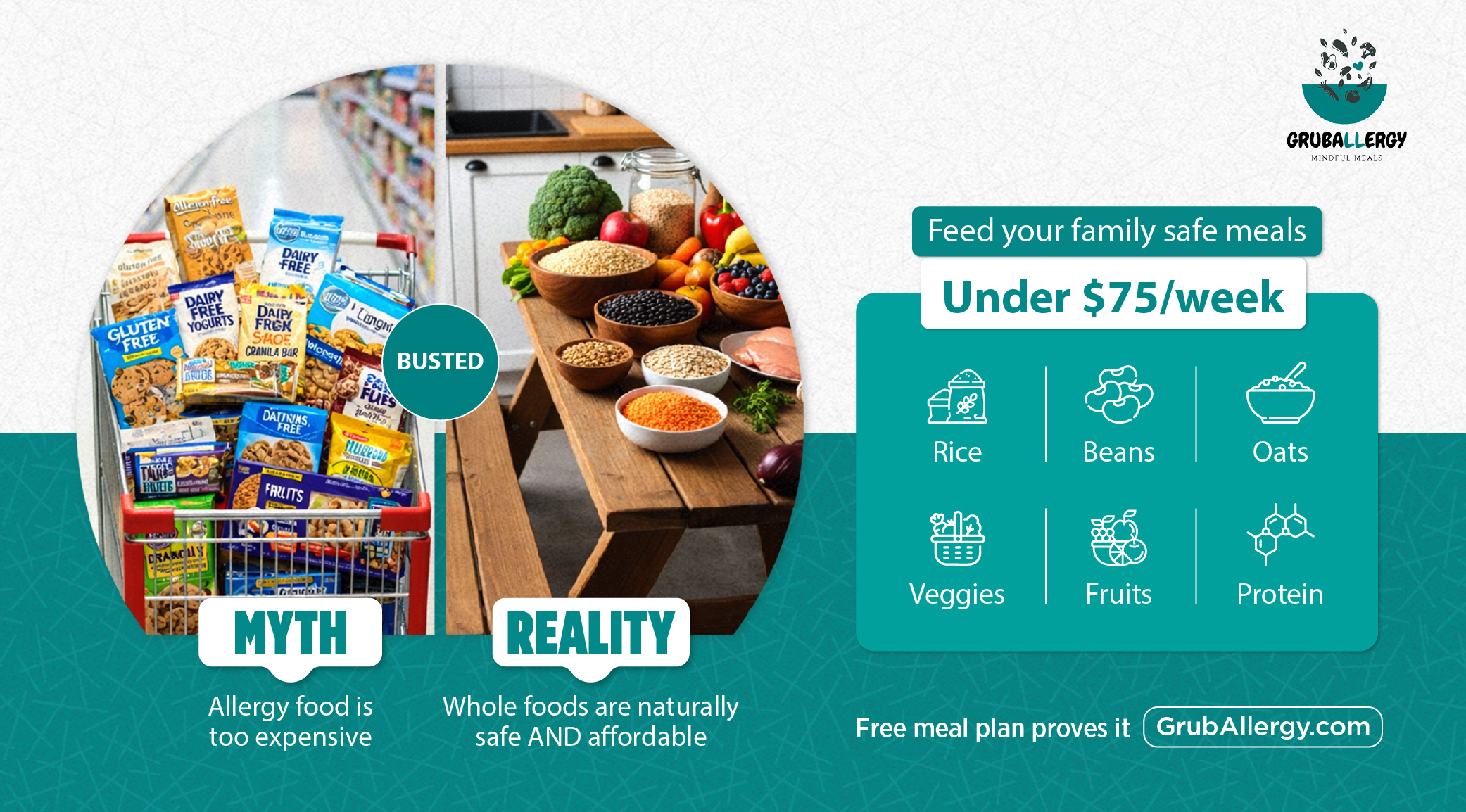
Discovering that someone in your family has a food allergy can feel overwhelming at first. Suddenly, everyday tasks like grocery shopping, cooking dinner, or packing school lunches come with new questions and concerns. If you’re feeling unsure about where to begin, you’re not alone. Many families struggle during the early stages of this transition, especially when it comes to planning safe, balanced meals.
That’s where starter meal plans for food allergies can make a real difference. A simple, structured approach removes guesswork and helps you regain confidence in the kitchen. Instead of worrying about what’s “allowed,” you focus on what works: meals that are safe, nourishing, and enjoyable for everyone at the table.
This guide is designed for families who are new to allergy management and want practical, realistic solutions. With beginner-friendly ideas and a focus on allergy-friendly meal planning, you’ll learn how to build stress-free routines, avoid common mistakes, and create meals that support both safety and satisfaction from day one.
What Are Starter Meal Plans for Food Allergies?
Starter meal plans for food allergies are simple, low-risk meal frameworks created to help families ease into allergy-aware cooking. They focus on familiar foods, minimal ingredients, and clear preparation steps to reduce confusion and anxiety.
Rather than complex recipes or unfamiliar substitutes, these plans rely on:
- Naturally allergen-free ingredients
- Repetition for confidence and consistency
- Balanced nutrition using simple combinations
For families practicing food allergy meal planning, starter plans act as a foundation. Once routines are established, it becomes much easier to expand menus and experiment safely.
Why Starter Meal Plans Are Essential for New Allergy Families
When allergies enter the picture, many families either over-restrict their diets or feel paralyzed by fear of making a mistake. Starter meal plans for food allergies help prevent both extremes.
Here’s why they work so well:
- They reduce decision fatigue during stressful weeks
- They support consistent allergy-friendly meal planning
- They help children adjust to new food routines
- They make grocery shopping faster and safer
Most importantly, they build trust trust in ingredients, recipes, and your ability to cook safely for your family.
Core Principles of Allergy-Friendly Meal Planning
Before jumping into sample meals, it’s important to understand the basics of allergy-friendly meal planning. These principles apply regardless of which allergens you’re avoiding.
1. Start with “Naturally Safe” Foods
Foods like fresh fruits, vegetables, rice, lentils, and unseasoned proteins are often easier to manage than packaged items.
2. Limit Ingredients at First
The fewer ingredients you use, the easier it is to track reactions and ensure safety, an important rule in food allergy meal planning.
3. Repeat Meals Without Guilt
Repetition builds comfort. Starter meal plans are not about variety; they’re about reliability.
4. Read Labels Every Time
Even familiar products can change. Label reading should be part of every starter meal plan for food allergies.
Sample Starter Meal Plan (3-Day Framework)
This simple framework can be adapted based on specific allergies and preferences.
Day 1
- Breakfast: Oatmeal with fruit (using certified safe oats)
- Lunch: Rice, steamed vegetables, and grilled protein
- Dinner: Simple vegetable soup with safe bread
Day 2
- Breakfast: Smoothie with fruit and allergy-safe milk
- Lunch: Leftover soup with added grains
- Dinner: Baked potatoes with vegetables and olive oil
Day 3
- Breakfast: Toast with seed spread
- Lunch: Rice bowl with vegetables and beans
- Dinner: Stir-fried vegetables with noodles or rice
This type of starter meal plan for food allergies emphasizes comfort foods prepared safely and consistently.
Grocery Shopping Tips for Beginner Meal Plans
Successful allergy-friendly meal planning starts at the store. Shopping with a clear plan helps you avoid impulse buys and risky products.
Helpful tips:
- Shop the perimeter of the store first
- Choose single-ingredient foods when possible
- Avoid bulk bins due to cross-contact risks
- Keep a running list of “safe brands.”
Pairing these habits with starter meal plans for food allergies makes shopping faster and far less stressful.
Making Meal Prep Easier and Safer
Meal prep can be a lifesaver for families managing allergies. Preparing ingredients ahead of time supports both safety and consistency.
Ideas include:
- Washing and chopping vegetables in advance
- Cooking large batches of grains
- Freezing safe meals for busy days
When meal prep aligns with food allergy meal planning, it reduces last-minute decisions that can lead to mistakes.
Nutrition Considerations for Growing Families
One concern many parents have is whether allergy-safe meals provide enough nutrition. Well-designed starter meal plans for food allergies can absolutely meet nutritional needs.
Focus on:
- Protein from legumes, seeds, and safe meats
- Healthy fats from oils and avocados
- Fiber from fruits, vegetables, and whole grains
If you’re ever unsure, consulting a registered dietitian experienced in allergy-friendly meal planning can provide peace of mind.
Common Mistakes Families Make Early On
Learning what not to do is just as important as learning what to do.
Common pitfalls include:
- Trying too many substitutes at once
- Overcomplicating meals unnecessarily
- Skipping meals due to fear
- Relying heavily on packaged “free-from” foods
Sticking to simple starter meal plans for food allergies helps families avoid burnout and frustration.
Conclusion: Building Confidence One Meal at a Time
Adjusting to food allergies is a journey, not a one-time change. Starter meal plans for food allergies provide the structure and reassurance families need during those early, uncertain days. By focusing on simplicity, consistency, and safety, you create a foundation that supports long-term health and confidence.
With thoughtful allergy-friendly meal planning, meals become something to enjoy again, not fear. Over time, your family will naturally expand its menu, explore new recipes, and build a positive relationship with food.
At gruballergy.com, we’re here to support you through every stage of this journey. Start simple, stay consistent, and remember safe meals can still be comforting, nourishing, and delicious.
FAQ
-
Most families use starter meal plans for food allergies for a few weeks until confidence grows. There’s no rush to move on.

-
Yes. Allergy friendly meal planning works especially well when focusing on naturally safe foods that avoid multiple allergens.
-
Repetition helps. Familiarity builds trust, which is why food allergy meal planning encourages repeated exposure to safe foods.
-
Absolutely. Many starter meal plans for food allergies include simple meals that pack well and stay safe outside the home.
-
Temporarily, yes and that’s okay. Variety can expand once safety routines are firmly in place.
You may also like

Leave a Reply
ABOUT AUTHOR

Hi! I’m Nimisha C..
My tryst with cooking began when we got to know about food allergies for our son. Taken aback with the shock and restrictions that his diet had and also worried about nutrition...
ABOUTPOPULAR RECIPE
January 3, 2026
.png)
January 3, 2026
FOLLOW US




LATEST BLOGS

January 20, 2026
January 13, 2026



Get a free consultation with GrubAllergy.
Share your child's food allergy history, and let us guide you with expert advice on managing and navigating food allergies with confidence.