
For parents of children with food allergies, every school day or birthday party can bring a wave of worry. Between snacks, lunchboxes, and class celebrations, keeping kids safe while helping them feel included can be challenging.
The good news? With the right food allergy school plan and communication, your child can thrive in both academics and social settings without fear.
1. The Importance of a Food Allergy School Plan
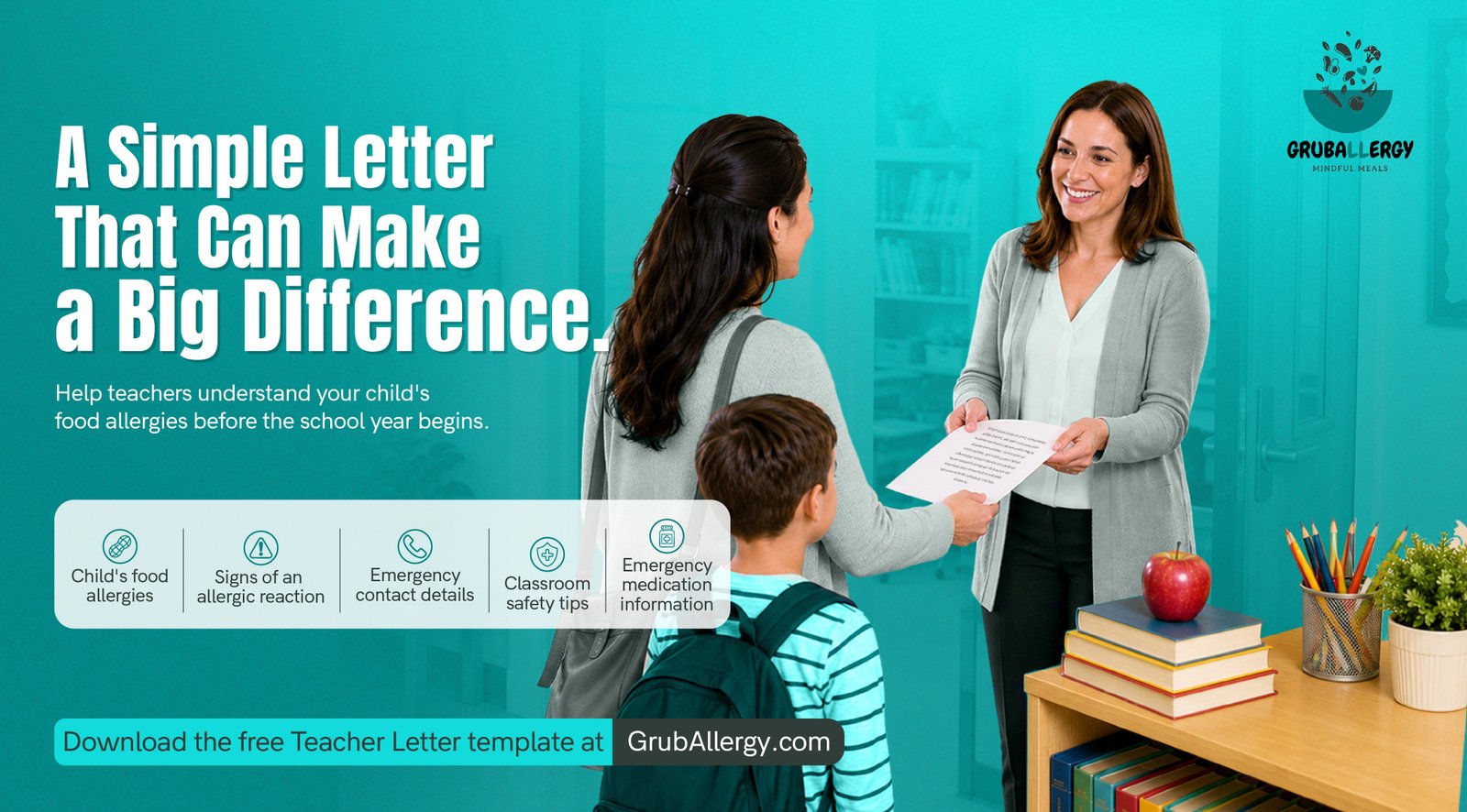
A food allergy school plan is a personalized guide shared between parents, teachers, and school staff that outlines how to handle allergy management and emergencies.
This plan usually includes:
-
A list of confirmed allergens
-
Steps to avoid cross-contamination
-
Emergency contact details
-
Instructions for epinephrine use
Tip: Schedule a meeting with your child’s teacher, school nurse, and principal before the school year starts. Provide a written copy of your child’s allergy management plan to ensure everyone is on the same page.
2. Creating an Allergy-Safe Classroom
An allergy-safe classroom doesn’t have to mean eliminating fun it’s about promoting awareness and inclusion.
Here’s how schools and parents can help:
-
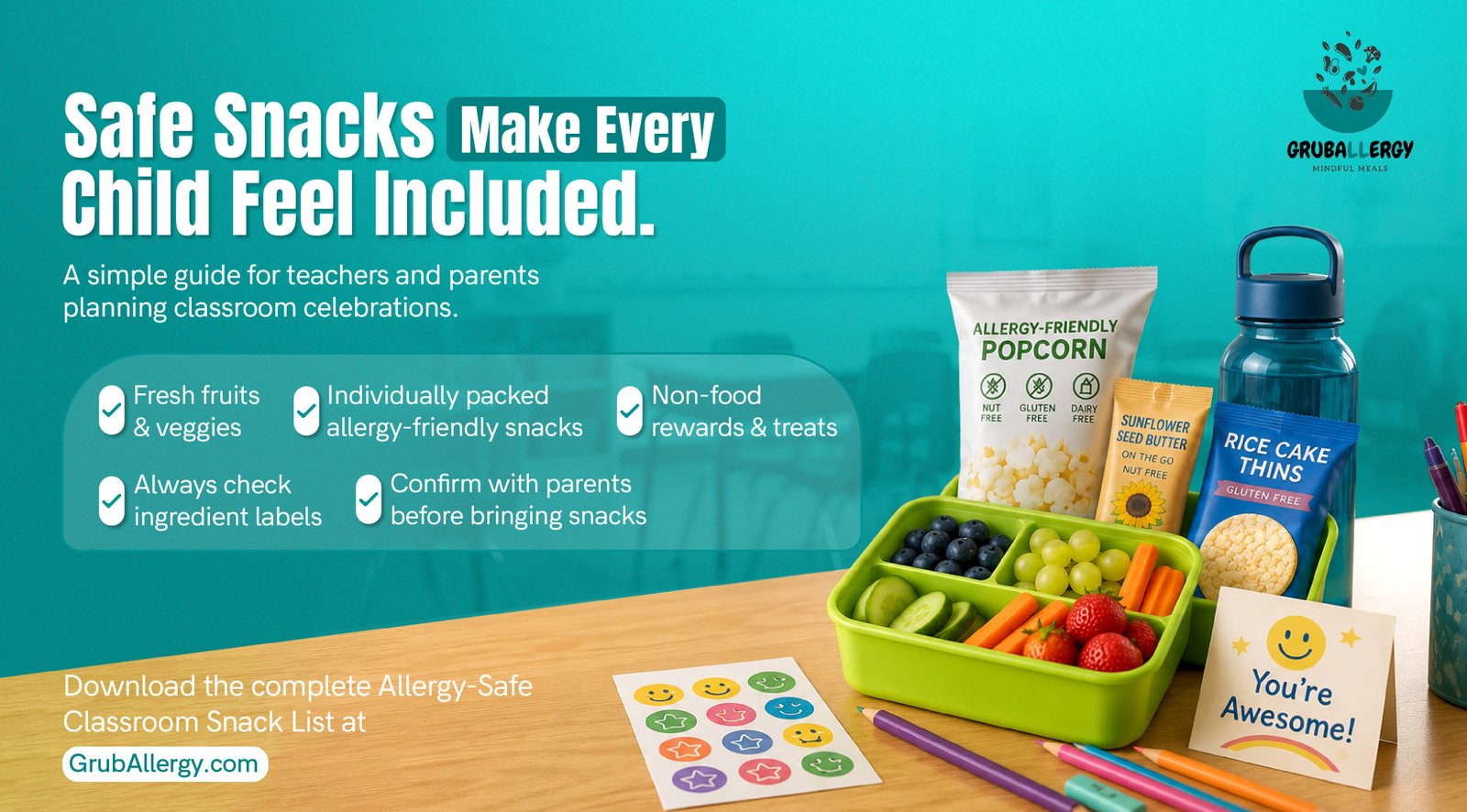
Replace common allergens (like nuts or milk) in classroom treats with safe alternatives.
-
Encourage handwashing before and after meals.
-
Label snacks clearly and store them separately.
-
Educate classmates about allergies in age-appropriate ways.
Teachers can also keep allergen-free emergency snacks and wipes in the classroom to reduce accidental exposure.
3. Managing Allergies at Parties and Social Events
From birthday cupcakes to class picnics, parties can be tricky for kids with allergies. But they don’t have to feel left out.
Here’s what helps:
-
Talk to the host or teacher early: Share your child’s allergies and offer to bring safe treats.
-
Create a “party-safe” box: Include allergy-free snacks your child enjoys.
-
Teach kids to speak up: Empower them to politely decline foods if they’re unsure.
Pro Tip: Encourage schools to adopt an “allergy-safe celebration policy,” where everyone can join without risk.
4. Bullying and Food Allergies: How to Handle It
Sadly, kids with food allergies sometimes face teasing or bullying, especially during meals or events.
Teach your child to:
-
Recognize when someone’s behavior crosses a line.
-
Inform an adult immediately if they’re threatened or made to feel unsafe.
-
Build confidence by understanding their allergy and safety plan.
Schools should also include food allergy awareness in anti-bullying policies, making it clear that allergies are a serious health issue, not a joke.
5. Building Confidence & Inclusion
Managing allergies isn’t just about avoiding foods; it’s about helping children feel safe, included, and confident.
-
Encourage open communication with teachers and classmates.
-
Join parent support groups or online allergy communities.
-
Celebrate small victories like attending a party safely or self-carrying an epinephrine injector.
With proper education and empathy, schools can become safe spaces where children with allergies not only survive but thrive.
Final Thoughts
Navigating food allergies at school and social events can be overwhelming, but awareness and planning make all the difference.
By implementing an allergy-safe classroom, a strong school plan, and supporting emotional well-being, you’re setting your child up for a safe and happy school life.
FAQ
-
A food allergy school plan should include allergen details, emergency steps, epinephrine instructions, and contact information for parents and doctors.

-
By avoiding allergen foods, promoting handwashing, labeling snacks, and educating students about allergy safety.
-
Parents can bring allergy-safe treats, talk to hosts in advance, and teach their kids how to handle uncertain foods safely.
-
Report it immediately to teachers or school staff. Request the school to include food allergies in their anti-bullying policy.
You may also like

Leave a Reply
ABOUT AUTHOR

Hi! I’m Nimisha C..
My tryst with cooking began when we got to know about food allergies for our son. Taken aback with the shock and restrictions that his diet had and also worried about nutrition...
ABOUTPOPULAR RECIPE
(1).png)
August 6, 2026
(3).png)
August 16, 2026
FOLLOW US


LATEST BLOGS
August 18, 2026



Get a free consultation with GrubAllergy.
Share your child's food allergy history, and let us guide you with expert advice on managing and navigating food allergies with confidence.