
Summer road trips are all about adventure, family memories, and exploring new destinations. But if you or your child has a food allergy, hitting the road requires a little extra planning especially when it comes to snacks.
The reality is that gas stations, roadside restaurants, and convenience stores don't always offer safe options for people with food allergies, gluten intolerance, or dairy sensitivities. Limited ingredient information, cross-contact risks, and unpredictable food availability can quickly turn a fun trip into a stressful experience.
The good news? With the right preparation and a well-stocked snack bag, you can enjoy a safer, smoother, and more enjoyable journey.
Quick Answer
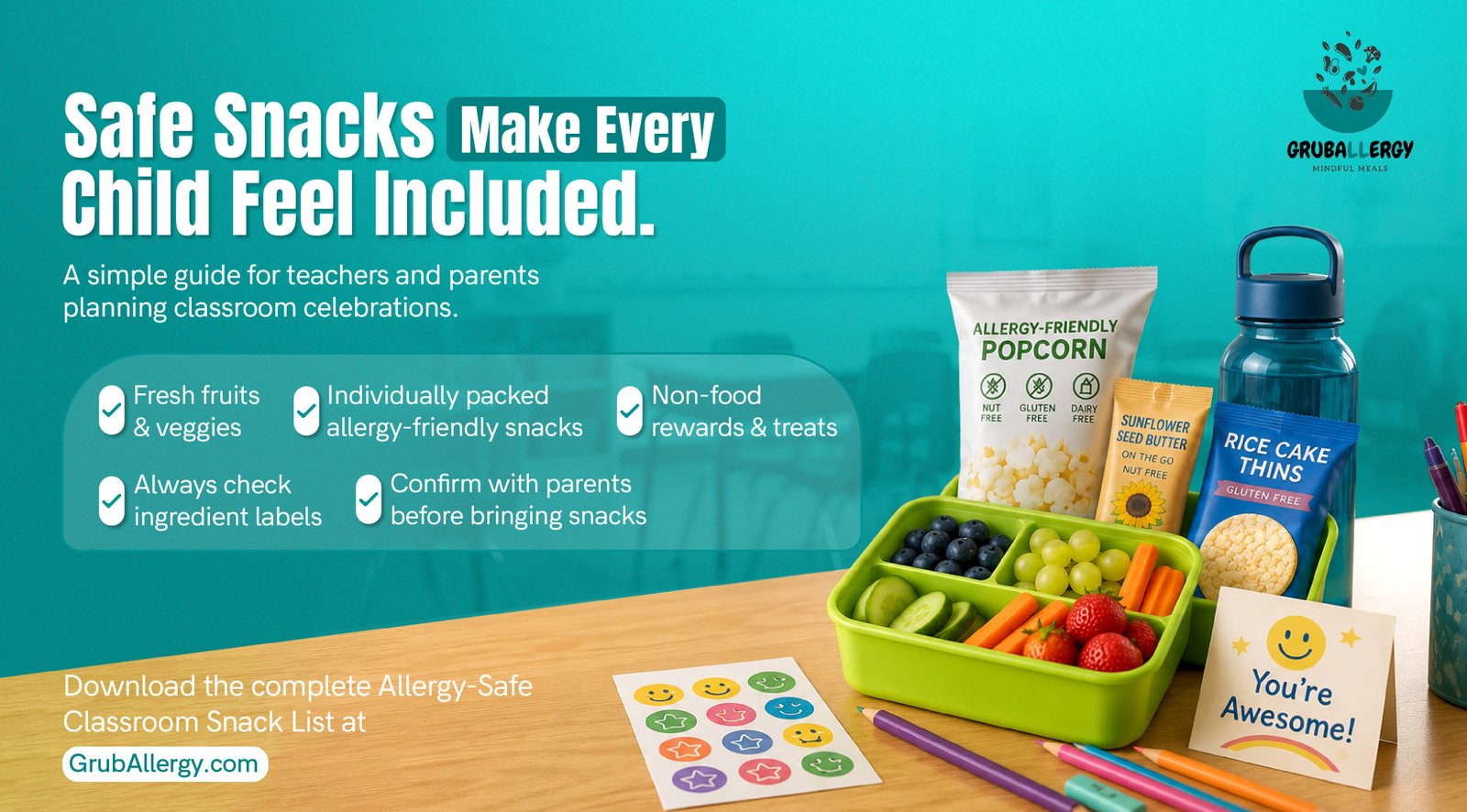
The best allergy-friendly road trip snacks for summer travel include fresh fruit, roasted chickpeas, seed butter packets, gluten-free crackers, popcorn, dried fruit, dairy-free snack bars, fruit pouches, and vegetable sticks. Pack snacks in insulated bags, read ingredient labels carefully, and bring emergency allergy medications to stay prepared throughout your trip.
Key Takeaways
-
Pack allergy-friendly snacks before leaving home.
-
Avoid relying solely on roadside food options.
-
Always recheck ingredient labels, even on familiar products.
-
Keep emergency medications easily accessible.
-
Use cooler bags and ice packs for temperature-sensitive foods.
-
Bring extra snacks in case of delays or unexpected detours.
Why Allergy-Friendly Snacks Matter During Summer Travel
Road trips often involve long hours on the road, limited food choices, and frequent stops at places where allergen information may not be readily available. For families managing food allergies, these situations can increase stress and the risk of accidental exposure.
Summer travel also presents unique challenges. High temperatures can affect food quality and safety, while hunger and fatigue can make it harder for children to stick to safe eating habits.
Packing allergy-friendly snacks gives you more control over what you eat and reduces the need to make last-minute food decisions in unfamiliar locations.
Common Challenges When Traveling With Food Allergies
Families with food allergies often encounter:
-
Limited allergy-safe food options at rest stops
-
Incomplete ingredient information
-
Cross-contact risks in shared preparation areas
-
Long stretches between food stops
-
Difficulty finding gluten-free or dairy-free options
-
Children wanting foods that may not be safe
Having trusted snacks on hand can help eliminate many of these concerns and make travel more enjoyable.
What Makes a Snack Allergy-Friendly?
An allergy-friendly snack is one that avoids the specific allergens relevant to the individual and is produced in a way that minimizes cross-contact risks.
While one snack may be safe for someone with a dairy allergy, it may not be suitable for someone with a peanut allergy. That's why it's important to choose snacks based on your family's unique needs.
When selecting travel snacks, consider:
-
Ingredient transparency
-
Allergen labeling
-
Cross-contact warnings
-
Nutritional value
-
Shelf stability
-
Ease of transportation
Always read labels carefully, even if you've purchased the product before. Manufacturers can change ingredients or production processes without notice.
Best Allergy-Friendly Road Trip Snacks for Summer Travel
1. Fresh Fruit
Fresh fruit is naturally portable, refreshing, and packed with nutrients.
Great options include:
-
Apples
-
Grapes
-
Oranges
-
Pears
-
Blueberries
-
Strawberries
Many fruits hold up well during travel and provide hydration, which is especially important during summer months.
2. Roasted Chickpeas
Roasted chickpeas are crunchy, satisfying, and rich in protein and fiber. They are a great alternative to nuts for many families and can help keep hunger under control between meals.
3. Seed Butter Packets
For those avoiding peanuts and tree nuts, sunflower seed butter or pumpkin seed butter packets can provide a convenient source of protein and healthy fats.
Pair them with:
-
Apple slices
-
Rice cakes
-
Gluten-free crackers
-
Celery sticks
4. Gluten-Free Crackers
Gluten-free crackers are easy to pack and work well with dips, spreads, or as a standalone snack.
Look for certified gluten-free products if you or your child has celiac disease or severe gluten sensitivity.
5. Popcorn
Popcorn is one of the most versatile road trip snacks. It's lightweight, easy to portion, and generally allergy-friendly when made without problematic ingredients.
Choose simple varieties with minimal additives whenever possible.
6. Dried Fruit
Dried fruit offers natural sweetness and portability.
Popular choices include:
-
Raisins
-
Mango
-
Apricots
-
Apple chips
-
Banana chips
Be mindful of added sugars and check labels for allergen warnings.
7. Fruit Pouches
Fruit pouches are especially useful for younger children. They're convenient, mess-free, and easy to store in a travel bag.
Many options contain only fruit and are free from common allergens, but labels should always be reviewed.
8. Vegetable Sticks
Pre-cut vegetables provide crunch and nutrients without relying on processed snack foods.
Travel-friendly vegetables include:
-
Carrot sticks
-
Cucumber slices
-
Bell pepper strips
-
Snap peas
Store them in an insulated cooler to maintain freshness.
9. Allergy-Friendly Snack Bars
Snack bars can be lifesavers during long stretches of driving when meal options are limited.
Look for bars that clearly state their allergen information and match your family's dietary requirements.
10. Rice Cakes
Rice cakes are lightweight, shelf-stable, and versatile.
They can be enjoyed plain or topped with seed butter, fruit spreads, or other allergy-safe toppings.
Allergy-Friendly Snack Comparison
|
Snack |
Shelf-Stable |
Gluten-Free |
Dairy-Free |
Travel-Friendly |
|
Apples |
Yes |
Yes |
Yes |
Excellent |
|
Roasted Chickpeas |
Yes |
Yes |
Yes |
Excellent |
|
Popcorn |
Yes |
Yes |
Yes |
Excellent |
|
Rice Cakes |
Yes |
Yes |
Yes |
Excellent |
|
Seed Butter Packets |
Yes |
Yes |
Yes |
Excellent |
|
Fruit Pouches |
Yes |
Yes |
Yes |
Excellent |
|
Vegetable Sticks |
No |
Yes |
Yes |
Good |
|
Dried Fruit |
Yes |
Yes |
Yes |
Excellent |
How to Pack Allergy-Friendly Snacks Safely
Proper storage is just as important as selecting the right snacks.
Use an Insulated Cooler
Pack temperature-sensitive foods in a cooler with reusable ice packs. This helps maintain freshness and food safety during hot weather.
Separate Safe Foods
Store allergy-friendly foods separately from foods containing allergens to reduce the risk of accidental cross-contact.
Portion Snacks Ahead of Time
Individual portions make snacks easier to access and help prevent contamination from shared containers.
Label Containers
Clearly labeled containers can help family members quickly identify safe foods.
Keep Snacks Accessible
Place frequently used snacks within easy reach so you don't have to search through luggage while traveling.
Don't Forget Your Emergency Allergy Kit
Even with careful planning, emergencies can happen. Every road trip should include an allergy emergency kit containing:
-
Prescribed epinephrine auto-injectors
-
Antihistamines (if recommended by your healthcare provider)
-
Allergy action plan
-
Emergency contact information
-
Hand wipes
-
Medical identification information
Keep medications in a location that is easy to access, not packed away in the trunk or buried in luggage.
Expert Tips for Stress-Free Allergy Travel
Pack More Than You Need
Traffic, weather, and unexpected detours can extend travel time. Extra snacks provide peace of mind.
Research Stops Ahead of Time
Before leaving, identify grocery stores, restaurants, and pharmacies along your route.
Hydrate Frequently
Dehydration is common during summer travel. Bring refillable water bottles and encourage regular hydration breaks.
Teach Kids Safe Eating Habits
Children should know not to accept food from others without checking with a parent or caregiver.
Create a Dedicated Snack Station
Keeping allergy-friendly foods organized in one location makes them easier to find and helps reduce confusion during travel.
Common Mistakes to Avoid
Waiting Until the Last Minute
Last-minute shopping often leads to fewer safe choices and increased stress.
Assuming Familiar Products Haven't Changed
Always read labels before packing, even for products you've purchased many times before.
Packing Too Few Snacks
Road trips rarely go exactly as planned. Extra food can prevent unnecessary risk and frustration.
Ignoring Temperature Requirements
Some foods spoil quickly in hot cars. Use coolers when needed.
Forgetting Emergency Medication
Never leave home without prescribed emergency medications.
Your Allergy-Friendly Road Trip Snack Checklist
Before you leave, make sure you've completed the following:
✔ Pack enough allergy-friendly snacks for the entire trip
✔ Bring extra snacks for delays
✔ Review ingredient labels
✔ Pack reusable ice packs
✔ Prepare an insulated cooler
✔ Separate safe foods from allergens
✔ Bring refillable water bottles
✔ Check medication expiration dates
✔ Pack epinephrine auto-injectors
✔ Carry your allergy action plan
✔ Research food stops along the route
✔ Keep emergency contacts accessible
Final Thoughts
Food allergies don't have to limit your family's summer adventures. With thoughtful planning, smart snack choices, and a well-prepared emergency kit, you can travel with greater confidence and peace of mind.
By packing trusted allergy-friendly snacks, reading labels carefully, and preparing for unexpected situations, you'll spend less time worrying about food and more time making memories on the open road.
A little preparation goes a long way toward creating a safer, happier, and more enjoyable summer road trip for everyone in the family.
FAQ
-
Fresh fruit, roasted chickpeas, popcorn, rice cakes, seed butter packets, dried fruit, and allergy-friendly snack bars are among the safest and most portable options when selected according to individual allergy needs.

-
Use insulated coolers, reusable ice packs, and airtight containers. Keep food out of direct sunlight and monitor perishable items carefully.
-
Yes. Delays, traffic, weather conditions, and limited food options can make extra snacks invaluable during travel.
-
Some may be safe, but ingredient information and cross-contact risks can be difficult to verify. Bringing trusted snacks from home is usually the safest option.
-
Your kit should include prescribed epinephrine, antihistamines if recommended, an allergy action plan, emergency contacts, and any other supplies advised by your healthcare provider.
You may also like

Leave a Reply
ABOUT AUTHOR

Hi! I’m Nimisha C..
My tryst with cooking began when we got to know about food allergies for our son. Taken aback with the shock and restrictions that his diet had and also worried about nutrition...
ABOUTPOPULAR RECIPE
(1).png)
August 6, 2026
(3).png)
August 16, 2026
FOLLOW US


LATEST BLOGS
August 18, 2026



Get a free consultation with GrubAllergy.
Share your child's food allergy history, and let us guide you with expert advice on managing and navigating food allergies with confidence.