
What if your favourite cakes, cookies, and muffins could be made with something other than traditional wheat flour? Baking doesn't always have to follow the same ingredients or techniques. Sometimes, trying a different grain can open the door to exciting flavours, interesting textures, and new ways to enjoy homemade treats.
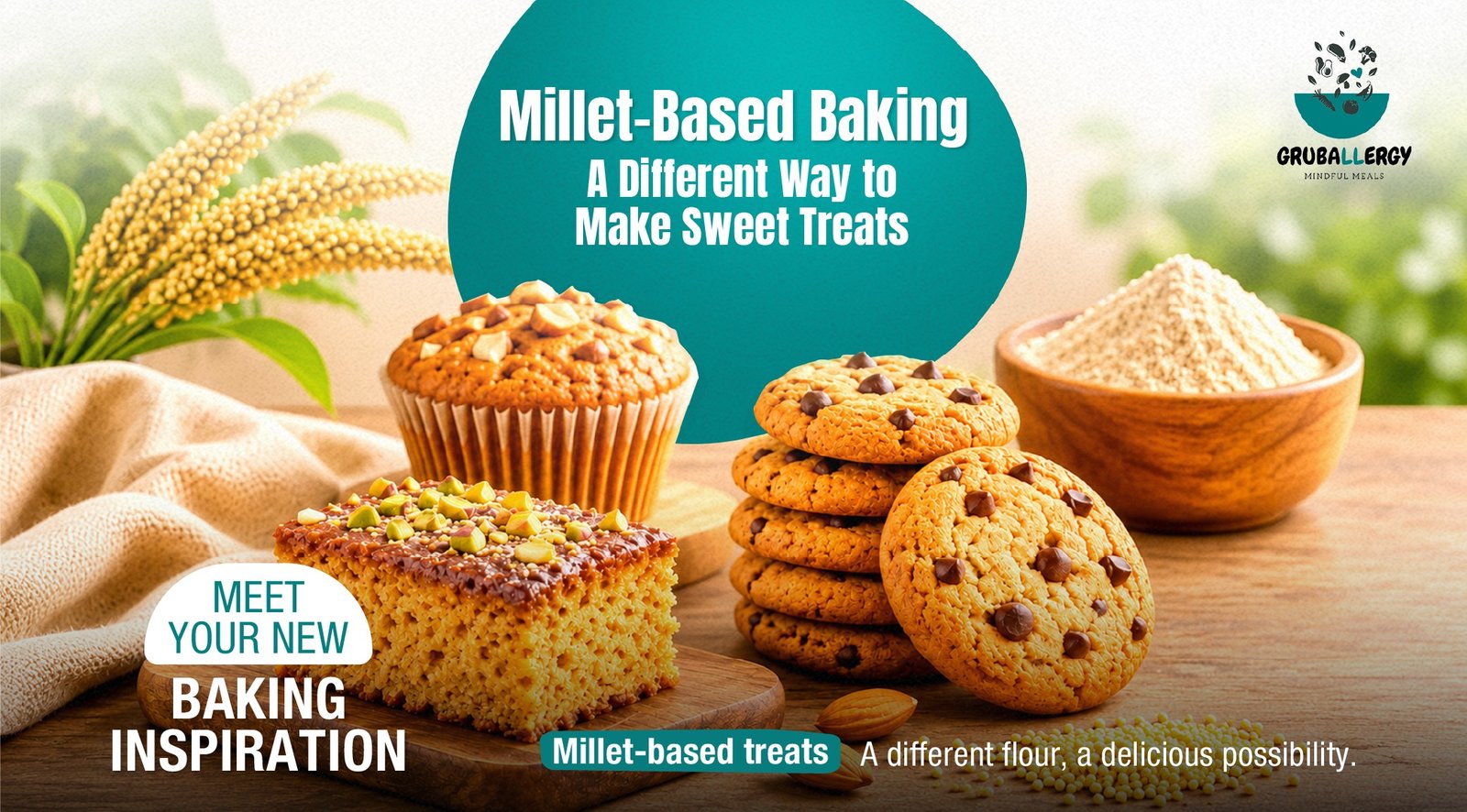
That's where millet comes in. This naturally gluten-free grain has become an interesting alternative for home bakers looking to experiment with different flours. With its mild, slightly nutty flavour, millet can work beautifully in cookies, muffins, pancakes, and cakes when used correctly.
Millet flour baking is also worth exploring for people who enjoy experimenting with alternative ingredients or need gluten-free options. However, working with millet flour requires a little understanding because it behaves differently from conventional wheat flour.
In this guide, we'll explore how to bake with millet flour, which ingredients pair well with it, what sweet treats you can prepare, and how to achieve better results in your kitchen.
What Is Millet-Based Baking?
Millet-based baking involves using flour made from millet grains instead of, or alongside, traditional wheat flour. Millet is a group of small-seeded cereal grains that includes varieties such as pearl millet, finger millet (ragi), foxtail millet, and sorghum is a separate grain often used alongside millet in alternative-flour baking.
Millet flour has a naturally mild, earthy flavour that works well in both sweet and savoury recipes.
Unlike wheat flour, millet flour does not contain gluten. This means it cannot provide the same stretchy structure that gluten gives traditional bread and baked goods.
For this reason, successful millet flour baking often involves combining millet flour with other gluten-free flours and suitable binding ingredients.
Some popular millet varieties used in baking include:
- Finger millet (Ragi): Known for its distinctive flavour and darker colour, it works well in cookies, pancakes, and chocolate-based treats.
- Pearl millet (Bajra): Has a slightly earthy taste and can be used in selected cakes and biscuits.
- Foxtail millet: Offers a relatively mild flavour and can be used in different baked preparations.
Each variety brings a slightly different taste and texture to your recipes.
Why Choose Millet Flour for Baking?
There are several reasons home bakers are exploring millet as an alternative flour.
1. Naturally Gluten-Free
Millet is naturally gluten-free, making it an option for people looking for alternatives to wheat flour.
However, if you're baking for someone with celiac disease or gluten-related dietary requirements, always choose appropriately certified gluten-free millet flour. Manufacturing and processing can introduce cross-contact with wheat and other gluten-containing grains.
2. Adds a Distinctive Flavour
One of the most interesting things about millet is its flavour. Depending on the variety, it can add mild nuttiness or earthy notes to baked treats.
This makes it particularly enjoyable in chocolate cookies, banana muffins, cinnamon cakes, and fruit-based desserts.
3. Offers Nutritional Variety
Different millet varieties provide nutrients such as dietary fibre, protein, magnesium, and iron. Their nutritional composition varies depending on the grain.
Using millet flour can introduce more grain variety into your everyday baking.
4. Encourages Creative Baking
Experimenting with different flours encourages home bakers to try new ingredient combinations.
From breakfast muffins to homemade cookies, millet flour recipes offer plenty of opportunities to explore different flavours and textures.
Essential Ingredients for Millet-Based Sweet Treats
Before trying millet-based desserts, it's helpful to understand which ingredients work well with millet flour.
1. Millet Flour
This is the foundation of your recipe. Choose the variety according to the flavour and texture you want.
For beginners, finger millet and foxtail millet flour are useful starting points for experimenting with different sweet preparations.
2. Natural Sweeteners
You can use different sweeteners depending on your recipe and taste preferences.
Options include:
- Jaggery powder
- Coconut sugar
- Maple syrup
- Regular granulated sugar
- Date paste
Remember that liquid sweeteners may change the moisture balance of a recipe.
3. Binding Ingredients
Since millet does not contain gluten, some recipes need additional ingredients to hold everything together.
Depending on your dietary requirements, options include:
- Ground flaxseed mixed with water
- Chia seed gel
- Suitable commercial egg replacers
- Xanthan gum in carefully measured amounts
4. Flavour Enhancers
Millet pairs nicely with several ingredients, including:
- Vanilla extract
- Cinnamon
- Cocoa powder
- Cardamom
- Fresh fruits
- Suitable chocolate chips
Always check packaged ingredients for allergens and cross-contact warnings.
7 Delicious Millet-Based Sweet Treats to Try
One of the best things about millet flour baking is the variety of desserts you can experiment with.
Here are seven ideas to inspire your next baking session.
1. Ragi Chocolate Cookies
Ragi flour and cocoa powder make an interesting combination. Their flavours complement each other, creating rich-tasting cookies.
Add vanilla and a suitable sweetener for extra flavour. Use a tested recipe to achieve the right balance of moisture and structure.
2. Foxtail Millet Banana Muffins
Banana muffins are a beginner-friendly way to experiment with alternative flours.
Mashed bananas add natural sweetness and moisture, while foxtail millet flour provides the base. Cinnamon and vanilla can make these muffins even more enjoyable.
3. Millet Chocolate Brownies
Chocolate brownies are another delicious way to introduce alternative flour into your baking.
Use a suitable millet flour blend with cocoa powder, sugar, and the appropriate fat and binding ingredients. Allow the brownies to cool before cutting them for cleaner slices.
4. Ragi Pancakes
Ragi pancakes are a wonderful breakfast or afternoon snack option.
Combine ragi flour with a suitable milk alternative, sweetener, and a tested binding ingredient. Serve with fresh fruit or maple syrup.
5. Millet Coconut Cookies
The mild flavour of millet works nicely with coconut.
Combine millet flour with suitable coconut ingredients, sugar, and fat to create a simple cookie recipe. These are particularly enjoyable with tea or coffee.
6. Millet Apple Cinnamon Cake
Apple and cinnamon bring warmth and natural sweetness to baked desserts.
Use millet flour as part of a suitable flour blend, add grated apple, cinnamon, and the appropriate binder, and bake until cooked through.
7. Finger Millet Date Energy Bites
If you prefer something that doesn't require an oven, try date-based energy bites.
Combine suitable dates, roasted finger millet flour, and a safe fat or seed ingredient. Shape into small portions and refrigerate until firm.
These ideas show how versatile millet flour recipes can be, whether you're preparing breakfast treats, cookies, or desserts.
Tips for Better Millet Flour Baking
Millet flour behaves differently from wheat flour, so a few adjustments can improve your results.
Start With a Tested Recipe
Avoid replacing all the wheat flour in a regular recipe with millet flour immediately. The texture and structure may change significantly.
Start with recipes specifically developed for millet or gluten-free baking.
Combine Different Flours
Some recipes benefit from combining millet flour with other gluten-free flours and starches. This can help create a more balanced texture.
Pay Attention to Moisture
Millet flour can absorb liquid differently depending on its variety and grind. Follow the recipe's recommended quantities instead of adding extra flour whenever the batter looks unfamiliar.
Allow Baked Goods to Cool
Many gluten-free baked goods need time to set after coming out of the oven. Cutting them too early can make them crumble.
Store Flour Properly
Keep millet flour in an airtight container in a cool, dry place. For longer storage, refrigeration or freezing can help maintain freshness.
Following these practical millet flour baking tips can make experimenting with alternative flours much easier.
Nutritional Benefits of Millet-Based Baking
Millet can add nutritional variety to your homemade desserts.
Depending on the variety, millet provides:
- Dietary fibre: Supports digestive health as part of a balanced diet.
- Plant-based protein: Contributes to your daily protein intake.
- Minerals: Different millet varieties provide minerals such as magnesium and iron.
- Naturally gluten-free grain options: Useful for people who need to avoid gluten, provided cross-contact is controlled.
It's worth remembering that a dessert made with millet flour is still a dessert. Sugar, fats, and portion sizes continue to influence its overall nutritional profile.
Common Mistakes to Avoid
When trying gluten free millet baking, beginners often make a few common mistakes.
- Replacing wheat flour directly: Millet flour does not behave exactly like wheat flour.
- Using too much flour: This can make cookies and cakes dry or crumbly.
- Ignoring binding ingredients: Some recipes need additional binders to maintain structure.
- Overbaking: Alternative-flour baked goods can dry out if left in the oven too long.
- Ignoring cross-contact: Naturally gluten-free millet flour may not be safe if processed alongside wheat.
- Expecting identical results: Different millet varieties produce different flavours and textures.
Experiment gradually and make notes of what works best.
Conclusion: Discover a New Way to Enjoy Baking
Baking doesn't have to be limited to traditional wheat flour. Exploring alternative grains such as millet can introduce new flavours, textures, and creative possibilities into your kitchen.
Whether you're preparing ragi chocolate cookies, banana muffins, or a homemade millet cake, the secret is understanding your ingredients and choosing recipes designed for the flour you're using.
With a little experimentation and the right techniques, millet flour baking can become an enjoyable part of your everyday cooking routine.
At GrubAllergy.com, we believe that everyone deserves to enjoy delicious food while making informed choices about their ingredients. Explore more allergy-aware baking ideas, experiment with alternative flours, and discover your next favourite homemade treat!
FAQ
-
You can use millet flour in many baking recipes, but a direct one-to-one replacement doesn't always work. Millet lacks gluten, so you may need additional binding ingredients or a suitable flour blend to achieve the desired texture.

-
Yes. Millet is naturally gluten-free. However, packaged millet flour can be exposed to gluten during harvesting, processing, or packaging. Choose certified gluten-free products when necessary.
-
Finger millet, foxtail millet, and pearl millet can all be used in suitable cake recipes. The best option depends on the flavour and texture you're looking for. Finger millet works particularly well in chocolate-based preparations.
-
Absolutely. Millet flour can be used in vegan baking with suitable alternatives for eggs, milk, and butter. Flaxseed mixtures, chia seed gel, and plant-based milk can work in selected recipes.
-
They can be adapted for specific allergies, but millet itself does not make a recipe automatically allergy-safe. Check every ingredient, manufacturing statement, and preparation surface to avoid allergens and cross-contact.
You may also like

Leave a Reply
ABOUT AUTHOR

Hi! I’m Nimisha C..
My tryst with cooking began when we got to know about food allergies for our son. Taken aback with the shock and restrictions that his diet had and also worried about nutrition...
ABOUTPOPULAR RECIPE
.png)
October 24, 2026
(1).png)
August 6, 2026
FOLLOW US


LATEST BLOGS
November 17, 2026
November 10, 2026



Get a free consultation with GrubAllergy.
Share your child's food allergy history, and let us guide you with expert advice on managing and navigating food allergies with confidence.